


The Post Title 2

In today's fast-paced world, finding balance can feel like a daunting task. Many of us juggle work, family, and personal interests, often leaving little time for ourselves. However, achieving a sense of balance is not only possible, but it can also lead to a more fulfilling life. In this post, we will explore practical strategies to help you find that balance, allowing you to thrive in all areas of your life.
Understanding Balance
Balance is not just about dividing your time equally among various activities. It is about prioritizing what matters most to you. This means recognizing your values and aligning your daily actions with them.
The Importance of Balance
When you achieve balance, you can reduce stress and increase your overall happiness. A balanced life allows you to be more productive, focused, and engaged in your activities. It also helps you maintain better relationships with family and friends.
Identifying Your Priorities
To find balance, start by identifying your priorities. Ask yourself what is most important in your life. This could include:
Family
Career
Health
Hobbies
Social life
Once you have a clear understanding of your priorities, you can allocate your time and energy accordingly.
Creating a Priority List
Consider making a list of your top five priorities. This will serve as a guide for your daily decisions. For example, if family is your top priority, you might choose to spend your evenings at home instead of working late.
Time Management Techniques
Effective time management is crucial for achieving balance. Here are some techniques to help you manage your time better:
Set Clear Goals: Define what you want to achieve in both the short and long term.
Use a Planner: Keep track of your tasks and appointments in a planner or digital calendar.
Prioritize Tasks: Use the Eisenhower Matrix to categorize tasks based on urgency and importance.
Set Boundaries: Learn to say no to activities that do not align with your priorities.
Schedule Breaks: Make sure to include breaks in your schedule to recharge.
Embracing Flexibility
While having a plan is essential, it is equally important to remain flexible. Life is unpredictable, and sometimes you may need to adjust your plans. Embracing flexibility allows you to adapt to changes without feeling overwhelmed.
The Power of Saying No
One of the most effective ways to maintain balance is by learning to say no. This can be challenging, especially if you want to please others. However, saying no to commitments that do not serve your priorities frees up time for what truly matters.
Finding Time for Yourself
Self-care is a vital component of a balanced life. Taking time for yourself helps you recharge and stay focused. Here are some self-care ideas:
Exercise: Physical activity boosts your mood and energy levels.
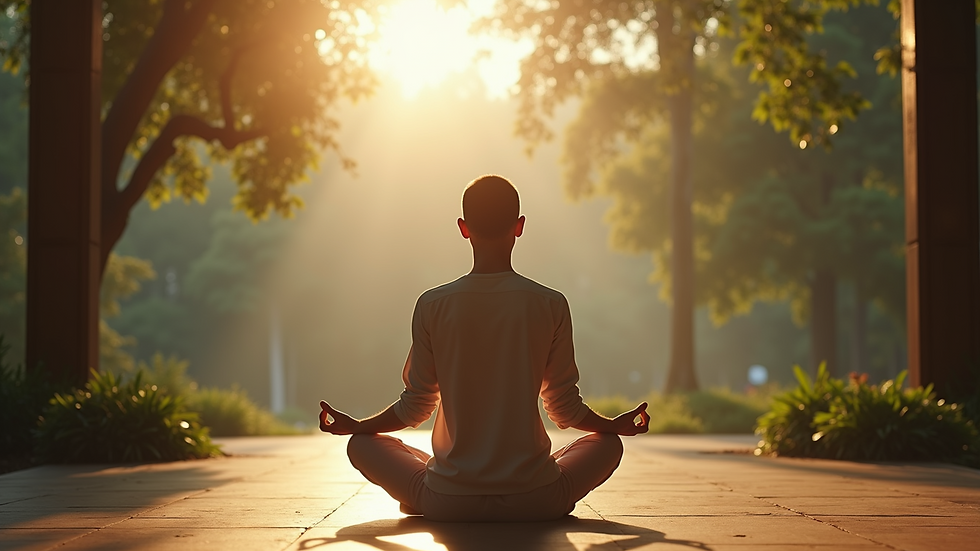
Meditation: Spend a few minutes each day in quiet reflection.
Hobbies: Engage in activities that bring you joy, whether it is painting, gardening, or reading.
Socialize: Spend time with friends and family to strengthen your connections.
Building a Support System
Having a strong support system can make a significant difference in your journey toward balance. Surround yourself with people who understand your goals and encourage you to prioritize your well-being.
Seeking Professional Help
If you find it challenging to achieve balance on your own, consider seeking help from a professional. A therapist or life coach can provide guidance and support tailored to your needs.
The Role of Mindfulness
Practicing mindfulness can help you stay present and focused. Mindfulness encourages you to pay attention to your thoughts and feelings without judgment. This awareness can lead to better decision-making and a greater sense of balance.
Simple Mindfulness Techniques
Here are a few mindfulness techniques to incorporate into your daily routine:
Deep Breathing: Take a few moments to focus on your breath. Inhale deeply and exhale slowly.
Gratitude Journaling: Write down three things you are grateful for each day.
Mindful Eating: Pay attention to the flavors and textures of your food during meals.
Setting Realistic Expectations
It is essential to set realistic expectations for yourself. Understand that achieving balance is a continuous process, and it is okay to have days when things do not go as planned.
Celebrating Small Wins
Acknowledge and celebrate your achievements, no matter how small. This positive reinforcement can motivate you to continue working toward balance.
Conclusion: Your Journey to Balance
Finding balance is a personal journey that requires patience and commitment. By identifying your priorities, managing your time effectively, and embracing flexibility, you can create a life that aligns with your values. Remember to take care of yourself and seek support when needed.
As you embark on this journey, keep in mind that balance is not a destination but a way of living. Embrace the process, and you will find that a balanced life is within your reach.


תגובות